
Get Help Navigating Probate
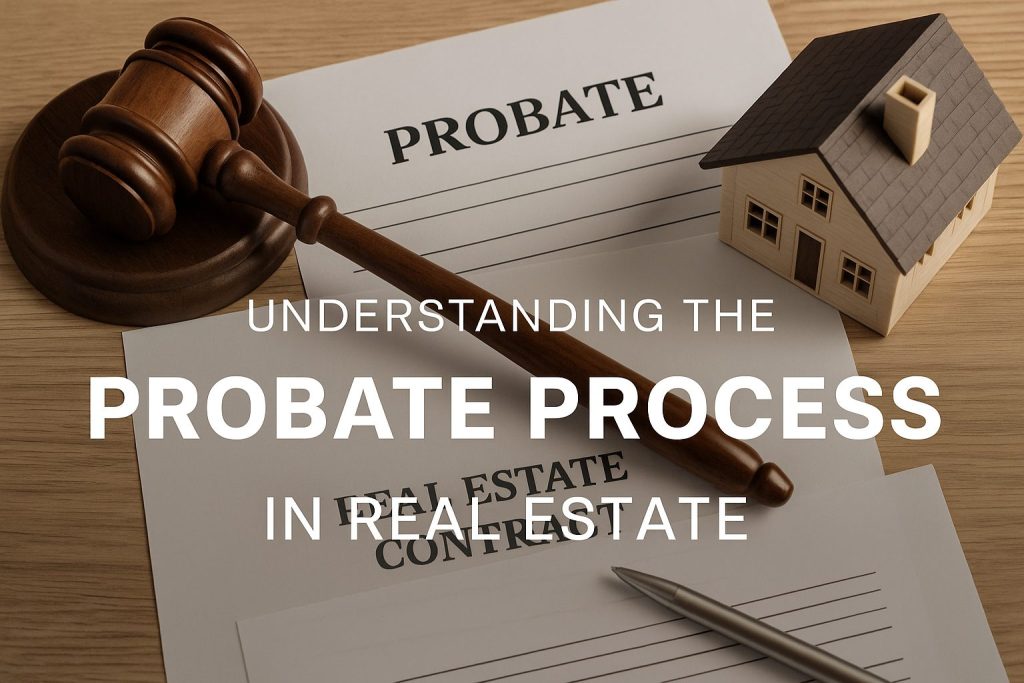
Understanding the Probate Process in Real Estate: A Helpful Guide for Families
Navigating the loss of a loved one is never easy, and managing their estate can add another layer of stress. When real estate is involved whether it’s a family home, an investment property, or land understanding the probate process becomes an important part of moving forward. My goal is to make this experience as smooth and clear as possible, so families feel supported every step of the way.
What Is Probate?
Probate is the legal process of settling someone’s estate after they pass away. It ensures that debts are addressed, taxes are handled properly, and assets—including real property are transferred to the rightful heirs. While probate can seem complicated, breaking it into steps makes it much more manageable.
Step 1: Identifying the Executor or Personal Representative
The process begins with the court appointing an executor (if named in a will) or a personal representative (if no will exists). This person is responsible for overseeing the estate, working with the court, and coordinating all required tasks, including the sale of any real estate.
Step 2: Gathering and Valuing Assets
Real estate must be formally identified and valued. An appraisal is often required so the court and all parties involved have a clear understanding of the property’s fair market value. This step lays the groundwork for future decisions whether the family plans to keep the home, rent it, or sell it.
Step 3: Addressing Debts and Expenses
Before any property can transfer to heirs, the estate must pay outstanding debts, taxes, and administrative costs. Sometimes this means selling the property to cover necessary expenses. Other times, families may have the option to settle debts using other assets.
Step 4: Deciding What to Do With the Property
Once debts are handled, families can move forward with their plans for the home. Many choose to sell, especially if multiple heirs are involved or the property needs extensive repairs. Selling a home in probate can include additional steps—such as court approval and specific documentation—but with the right guidance, it doesn’t have to feel overwhelming.
Step 5: Final Distribution
After the sale of the property or transfer of ownership, remaining assets are distributed according to the will or state law. At this point, the probate process can be closed, giving families a sense of clarity and completion.
How a Real Estate Professional Can Help
Selling a home through probate requires sensitivity, communication, and a clear understanding of the legal requirements. I pride myself on guiding individuals and families through this process with patience and care. From coordinating valuations to managing disclosures and helping prepare the home for market, my role is to ease the burden while helping you make confident, informed decisions.
If you’re facing the probate process and aren’t sure where to begin, I’d love to assist you. Whether you’re planning to sell, need help evaluating your options, or simply want a clearer understanding of next steps, I’m here to support you every step of the way.


